
Food Price Inflation: What’s Really Happening at the Market
We analyzed three years of data to show you exactly which food categories saw the biggest price jumps and why your grocery bill keeps climbing.

Why Your Grocery Bill Feels Heavier
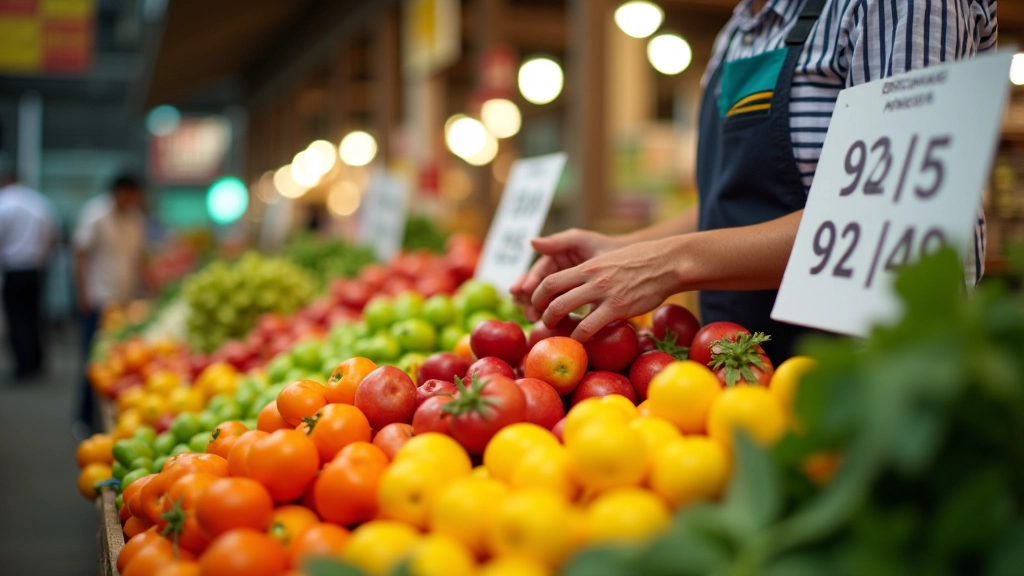
You’re not imagining it. When you walk through the market these days, the prices really have changed. We’ve looked at actual consumer price index data from 2023 through early 2026, tracking what happened to food costs across different categories. The numbers tell a clear story — some items jumped significantly while others stayed relatively stable.
What’s interesting is that food inflation isn’t uniform. Vegetables behaved differently than proteins. Fresh items moved differently than packaged goods. We’re going to break down exactly where the biggest increases happened, what drove them, and what that means for your household spending.
The Numbers: Three Years of Price Changes
Here’s what we found when we compared 2023 baseline prices to 2026 current prices across major food categories.
Vegetables & Produce
+18-24% increase
Leafy greens and root vegetables showed the most volatility. Tomatoes, cabbage, and carrots fluctuated with seasons but trended higher overall. Supply chain disruptions in 2024-2025 pushed prices up considerably.
Proteins & Meat
+12-16% increase
Chicken prices rose steadily but remained the most affordable protein. Beef and fish saw larger jumps. Feed costs and transportation expenses directly affected retail prices at the market.
Grains & Staples
+8-12% increase
Rice, flour, and bread prices climbed more gradually. These items experienced less volatility than fresh produce. Import costs for certain grains impacted the overall category.
Dairy & Eggs
+10-15% increase
Eggs showed the most dramatic swings, sometimes jumping 20% in a single quarter. Milk and cheese prices remained more stable but definitely increased. Feed and energy costs drove these fluctuations.
What Actually Drove These Price Increases
It’s not just one thing. When you track price changes this closely, you realize the causes are layered and interconnected.
Transportation Costs
Fuel prices directly impact how much it costs to move produce from farm to market. When petrol prices spiked in 2024, that rippled through the entire food supply chain. Retailers passed those costs along.
Weather & Growing Conditions
Unusual rainfall patterns in 2024 affected crop yields. When supply tightens, prices rise. This was particularly visible in vegetable prices from mid-2024 through early 2025.
Input Costs (Feed, Fertilizer, Labor)
The cost to produce food went up across the board. Animal feed prices climbed. Labor wages increased. Fertilizer costs didn’t come down. These costs don’t stay with producers — they get passed to consumers.
Import Dependencies
Malaysia imports significant amounts of certain foods. When global prices rise or exchange rates shift, imported items become more expensive. This affected everything from certain vegetables to specialty proteins.
How Inflation Hits Different Income Groups
Higher food prices don’t impact all households equally. Families with lower incomes spend a much larger percentage of their earnings on food.
When food prices rise by 15%, it matters differently depending on your situation. A household earning RM2,500 monthly might spend RM500 on groceries. That same 15% increase adds RM75 to their monthly food bill — money that has to come from somewhere else.
Compare that to a household earning RM7,500 monthly. They might spend RM1,200 on groceries. The same 15% increase is RM180, but as a percentage of their income it’s less painful.
This is why the Consumer Price Index matters for understanding purchasing power. It’s not just about prices rising — it’s about what those increases mean for real people’s budgets and choices.

What This Means Going Forward
Looking at this data, we can identify patterns. Fresh produce tends to be more volatile than processed foods. Items that require significant imports see bigger price swings. Categories where local production is strong show more stability.
The good news? Understanding these patterns helps you make smarter shopping decisions. You’ll notice seasonal vegetables are usually cheaper when they’re in season. Proteins vary less in price than fresh produce. And household staples like rice and flour tend to move more predictably.
It’s also worth recognizing that inflation isn’t permanent or one-directional. Prices don’t just keep climbing forever. They respond to supply, demand, and global conditions. What matters is understanding where you are in that cycle and how it affects your household’s purchasing power.

The Bottom Line
Food price inflation is real. Over three years, you’ve definitely noticed your grocery bills getting heavier. The data shows vegetables and proteins leading the increases, with transportation costs, weather, and import dynamics playing major roles.
What’s important to understand is that this isn’t random. There’s a logic to where prices moved and why. Fresh produce responds quickly to supply disruptions. Staples move more gradually. And lower-income households feel the impact more acutely because food takes up a bigger chunk of their budget.
By understanding how the Consumer Price Index actually works and what drives different categories, you’re better equipped to navigate your own household spending. You can anticipate which items might fluctuate, where to find stability, and how inflation actually translates to your purchasing power.
Want to dive deeper into how CPI gets measured and how it affects different income groups?
Explore More ArticlesAbout This Analysis
This article provides educational information about food price inflation and consumer price indices. The data and analysis are intended to help you understand market trends and economic concepts. This isn’t financial or investment advice. Price trends vary by region, retailer, and specific product. For detailed information about your household’s purchasing power and budget planning, consider consulting with a financial advisor or reviewing official CPI reports from relevant government sources.